

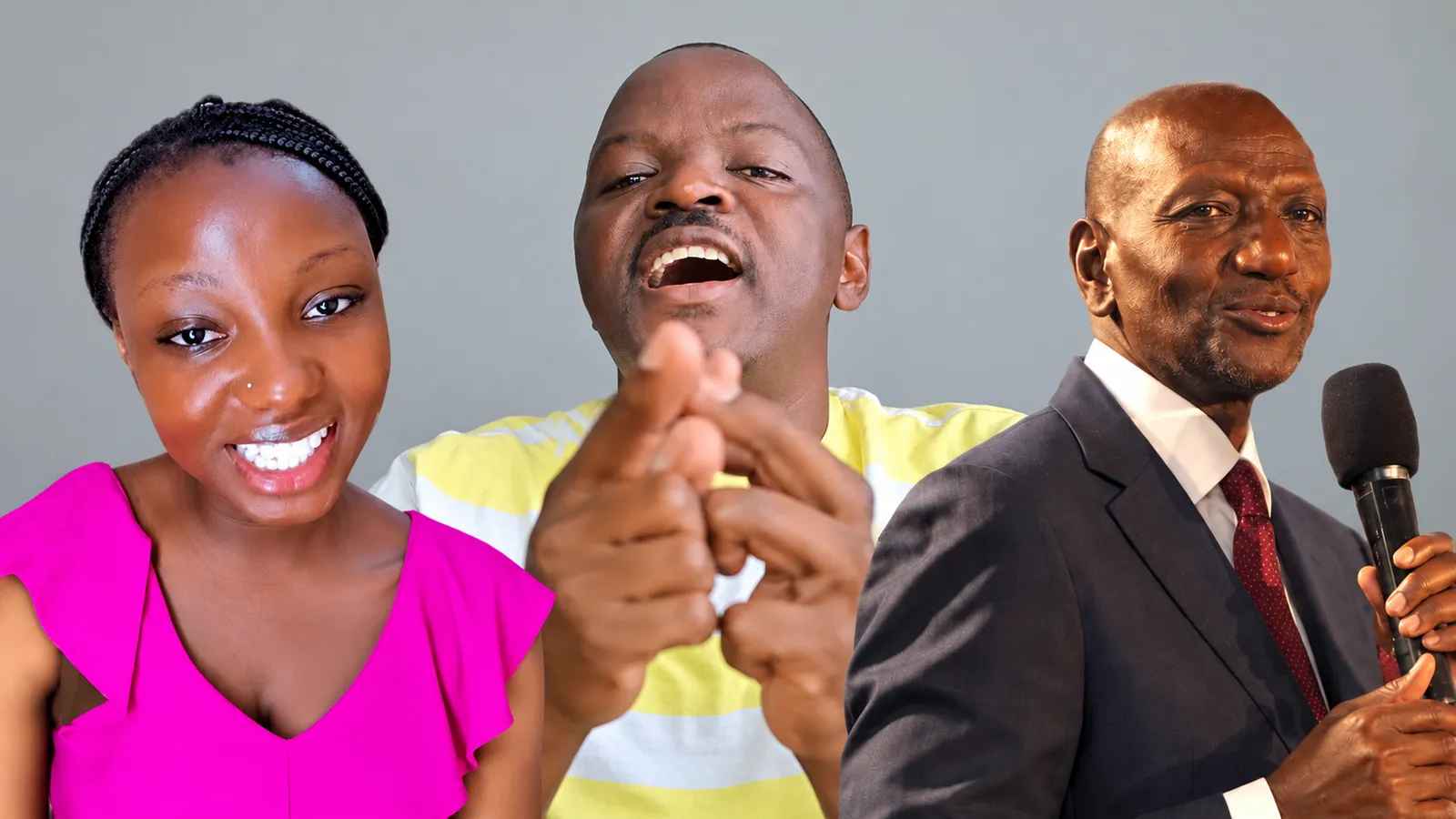
A furious war of words has erupted between Youth for Ruto (YURO) Kenya and The Standard Group, with the youth movement accusing the media house of publishing what it describes as falsehoods and propaganda aimed at damaging the reputations of its leaders.
The dispute comes against the backdrop of Friday’s confrontation outside Standard Group headquarters along Mombasa Road, where supporters of President William Ruto’s administration protested the media organisation’s coverage. The Standard reported that Sally Raghet and Moses Gazemba were among figures associated with the protest.
But YURO has now turned the spotlight back on the newsroom, demanding that the media house answer a much more fundamental question: where is the evidence behind the allegations it has published about its leaders?
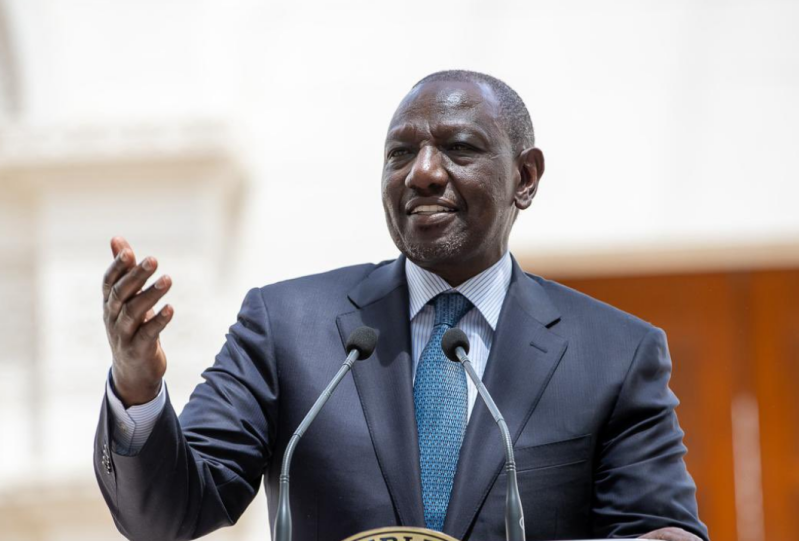
In a statement issued by the organisation, YURO said it was “deeply disappointed” and condemned what it called “outright propaganda, fake news and lies” against the movement and its leadership.
The organisation specifically took issue with descriptions and allegations concerning its National Chairperson, Sally Raghe, and Founder, Moses Gazemba.
YURO insists Raghe is its National Chairperson, a youth leader and not a liquor dealer, as it says the publication portrayed her.
It similarly insists that Gazemba is an employed professional teacher and school director, rather than the criminal figure YURO says the reporting suggested.
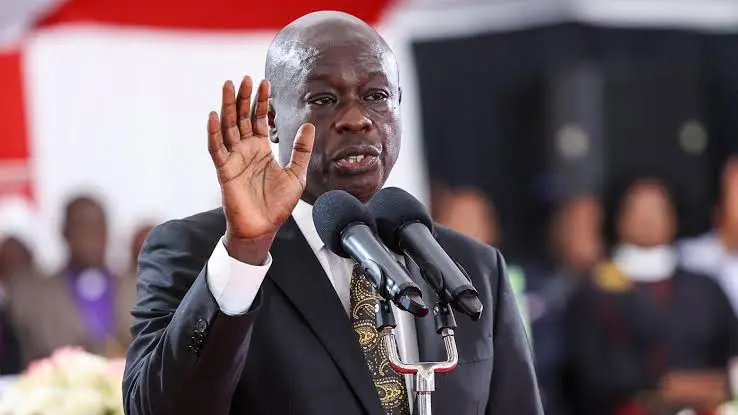
Those are serious allegations from both sides—and that is precisely why they should not be settled through political shouting matches, social-media outrage or competing press statements.
They should be settled through evidence.
The Standard has put its journalism on trial
There is an uncomfortable irony here.

A newspaper enjoys the constitutional protection to investigate, scrutinise and criticise powerful people. Article 34 guarantees the freedom and independence of electronic, print and other forms of media.
But press freedom is not a licence to publish whatever can attract attention.
The Media Council of Kenya's professional framework places accuracy and fairness at the heart of journalism. It requires journalists to seek comments from people mentioned unfavourably and provides for prompt correction when inaccurate, misleading or distorted material is published.
That distinction matters.
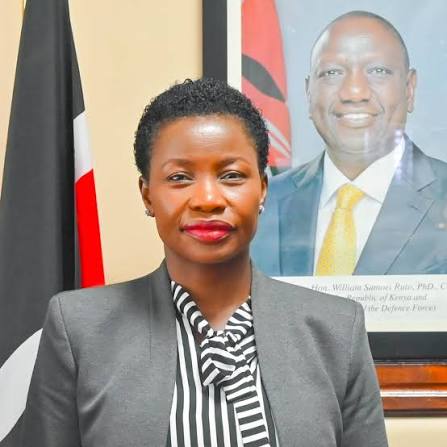
A newspaper has the right to be tough. It does not have the right to be careless.
And when a person's reputation is placed in jeopardy, the difference between a verified fact and an allegation becomes enormous.
If The Standard possesses documentary evidence supporting the descriptions challenged by YURO, then the newspaper should put that evidence behind its reporting.
If, on the other hand, an allegation was wrongly attributed, exaggerated, inadequately verified or published without giving the affected individuals a meaningful opportunity to respond, then the professional response is equally clear: correct it.
That is not weakness.
That is journalism.
YURO's challenge is bigger than Sally and Gazemba
The YURO complaint should therefore not simply be dismissed as another political attack on the media.
The Standard itself says the confrontation surrounding its headquarters has emerged amid growing criticism of its coverage of the Ruto administration. The newspaper has reported accusations from government-aligned politicians who have questioned some of its reporting, while the media house has defended its editorial independence.
President Ruto has also publicly criticised Standard Group coverage, while the company's leadership has maintained that it will continue to scrutinise those in power.
That context makes the current dispute particularly sensitive.
When politics and journalism collide, facts become even more important—not less.
A political movement cannot demand that journalists publish only flattering stories.
But neither can a media organisation expect criticism to disappear simply because it carries the prestige of a major newsroom.
The solution is neither intimidation of journalists nor immunity from scrutiny.
The solution is evidence, verification, right of reply and correction where necessary.
The dangerous business of labelling people
There is another issue here that deserves serious attention.
Calling somebody a criminal, illegal trader or participant in unlawful activity is not an ordinary description. Such language can follow an individual long after the news cycle has moved on.
A Google search, social-media post or archived article can resurrect such an allegation years later.
That is why responsible journalism requires particular care when dealing with allegations of criminality.
The question is not whether a newspaper is allowed to investigate.
It absolutely is.
The question is whether the investigation can withstand scrutiny.
Was there a police record?
Was there a court case?
Was there a charge sheet?
Was there an official finding?
Was the person contacted before publication?
Was the allegation clearly attributed to its source?
Was the headline consistent with what the body of the story actually established?
These are the questions that matter.
The Standard cannot demand accountability from everyone except itself
There is a broader lesson here for one of Kenya's oldest media institutions.
The Standard has every right to defend its newsroom against political pressure. Indeed, its own statement following Friday's confrontation said it would not be intimidated into abandoning its journalism.
That principle should cut both ways.
Independence means independence from government—but it also means independence from political convenience, commercial pressure, sensationalism and the temptation to publish before verifying.
A media house that demands accountability from presidents, governors, MPs, corporations and public institutions must also accept accountability from the citizens and organisations it writes about.
That is not an attack on press freedom.
It is press freedom functioning properly.
YURO should also be prepared to prove its case
But there is an equally important responsibility on YURO.
If the organisation says The Standard published false information, it should identify precisely what was false, provide documentary evidence where available and formally seek a correction or right of reply.
The accusation of “fake news” itself should not become a substitute for evidence.
If YURO has been wrongly portrayed, its strongest weapon is not insults against journalists.
It is the truth backed by documents.
The Media Council's guidance emphasises verification, accuracy, fairness and the right of reply.
That is the battlefield on which this dispute should be fought.
Not outside newsroom gates.
Not through threats.
Not through propaganda against propaganda.
But through facts.
And that is where The Standard now faces its real test
The Standard Group has presented itself as a watchdog willing to expose what powerful people would rather remain hidden. Its response to recent criticism has been that its journalism will not be silenced
Fine.
Then the same standard must apply when the people being written about say “you got it wrong.”
Open the notebook.
Show the evidence.
Explain the sourcing.
Publish the response.
Correct what is demonstrably wrong.
That is how a newspaper earns trust.
And if the allegations are fully supported, then YURO should have the courage to accept the evidence and answer the reporting substantively.
The public does not need a contest between YURO propaganda and Standard propaganda.
Kenya needs something far more difficult—and far more valuable:
journalism that survives verification.
Because once facts are replaced by political loyalty on one side and sensationalism on the other, the casualty is not YURO.
It is not The Standard.
It is the public's trust in journalism itself.
No comments yet. Be the first to share your thoughts.