
President Ruto Consolidates Kenya Kwanza-ODM Coalition, Launches Vision 2060 and Elders' Stipend Package
President William Ruto has formalized a broad-based political alliance with ODM ahead of the 2027 election, opened nationwide consultations for Kenya Vision 2060, and announced a Ksh 3,000 monthly stipend for 106,000 village elders—even as former Deputy Rigathi Gachagua escalates criticism over the Sh13.02 trillion national debt.
Nairobi, Kenya — President William Ruto is moving aggressively to reshape Kenya’s political and economic landscape just months before the 2027 General Election, anchoring his strategy on a historic coalition with the Orange Democratic Movement (ODM), a long-term development blueprint, and fresh social support for traditional leaders.
The fifth President of Kenya, who assumed office on September 13, 2022, after serving as the country’s first elected Deputy President from 2013 to 2022, is leveraging his Bottom-Up Economic Transformation Agenda (BETA) to drive a narrative of continuity and structural reform. However, his administration remains under intense scrutiny over rising national debt and a bruising public fallout with his former deputy.
Kenya Kwanza-ODM Alliance Takes Shape
In what political analysts are calling one of the most significant realignments in recent Kenyan history, President Ruto has formalized a broad-based coalition between his ruling Kenya Kwanza alliance and ODM, the party long associated with opposition leader Raila Odinga.
The partnership was cemented during a high-profile, three-day retreat in Naivasha, where Ruto chaired deliberations alongside Oburu Oginga.
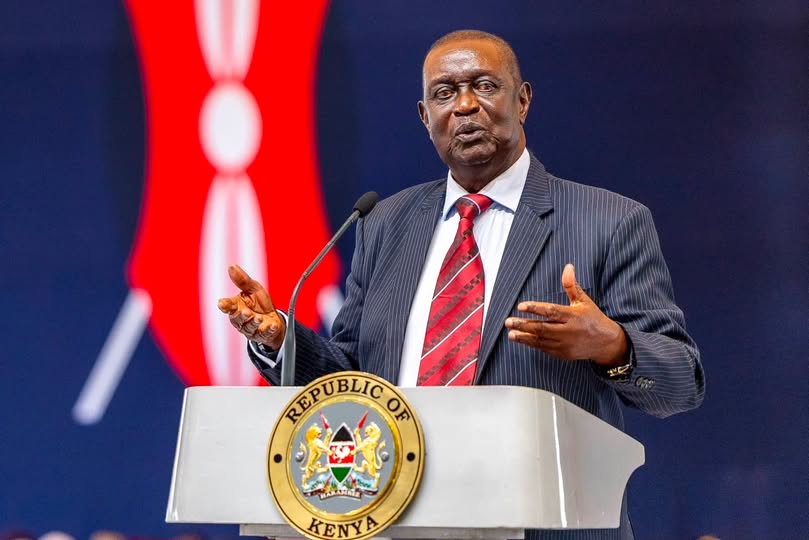
A key ODM leader and elder statesman. The retreat focused on structuring the framework of the alliance, which is widely seen as an effort to consolidate power and neutralize opposition ahead of the 2027 polls.
The move has sent shockwaves through Kenya’s political establishment, with critics arguing that the merger blurs the line between government and opposition, while supporters maintain it is necessary for national stability and legislative efficiency.
Gachagua’s Counter-Offensive
The coalition-building comes as President Ruto faces sustained attacks from his former Deputy President, Rigathi Gachagua, who has emerged as one of the administration’s most vocal critics.
In a recent lengthy public address, Gachagua hit out at Ruto’s economic choices, specifically questioning the administration’s appetite for national borrowing and the sustainability of its fiscal policies. The former DP accused the government of mortgaging Kenya’s future, a charge that has resonated with segments of the public feeling the pinch of a high cost of living.
Presidential allies have, however, vigorously countered Gachagua’s claims, accusing the former deputy of inciting division and peddling revisionist narratives. The public spat has exposed deepening rifts within the Kenya Kwanza camp, raising questions about whether Gachagua will mount a serious challenge in 2027 or remain a spoiler from the sidelines.
Vision 2060: Thinking Beyond the Next Election
Amid the political maneuvering, President Ruto is attempting to pivot the national conversation toward long-term planning. On Wednesday, he officially opened nationwide public consultations for Kenya Vision 2060 at the Kenyatta International Convention Centre (KICC) in Nairobi.
The launch of the post-Vision 2030 blueprint has drawn both praise and skepticism, with critics questioning the timing of such an ambitious long-term plan less than a year before a high-stakes election. But Ruto defended the early rollout, urging Kenyans to “think about the next generation, not the next election.”
Vision 2060 is expected to guide Kenya’s development trajectory for the next three decades, with focus areas likely to include digital transformation, climate resilience, manufacturing, and human capital development. The nationwide consultations are designed to crowdsource input from citizens, county governments, and private sector stakeholders.
Ksh 3,000 Monthly Stipend for Village Elders
In a move that blends social policy with grassroots political mobilization, President Ruto announced a formal national recognition package for over 106,000 village elders across Kenya.
The package includes:
- A Ksh 3,000 monthly stipend
- Smartphones for digital connectivity
- Leadership training
- Formal healthcare coverage through the Social Health Authority (SHA)
The announcement signals the administration’s recognition of the role traditional elders play in dispute resolution, community cohesion, and local governance. It also comes at a time when the SHA rollout remains under public scrutiny, with critics questioning its implementation and affordability.
Debt and Economic Pressures
Despite the headline-grabbing initiatives, President Ruto’s administration continues to walk an economic tightrope. Kenya’s national debt currently stands at approximately Sh13.02 trillion, a figure that has fueled public anxiety and provided ammunition for opposition figures like Gachagua.
While the government has defended its borrowing as necessary to finance critical infrastructure expansion, economists and civil society groups have warned that debt servicing is consuming an unsustainable portion of national revenue, crowding out spending on health, education, and social services.
Infrastructure projects initiated under Ruto’s watch continue to advance, but the administration faces the delicate task of balancing development spending with fiscal responsibility in an increasingly skeptical political environment.
What’s Next?
With the 2027 General Election inching closer, President Ruto appears to be executing a multi-pronged strategy: neutralize opposition through co-option, secure the grassroots through tangible benefits, and project statesmanship through long-term planning. Whether this formula can withstand the dual pressures of economic hardship and political betrayal remains the defining question of his first term.
For now, the Kenya Kwanza-ODM axis, Vision 2060, and the village elders’ package have given the President a busy news cycle and plenty of material for both supporters and detractors to debate.
Comments
No comments yet. Be the first to share your thoughts.