
The photograph shows two men in what appears to be a warm embrace, surrounded by other people. But a photograph captures only one moment. It does not, by itself, establish what was discussed before the embrace, what happened afterwards, why the two men met, or whether the encounter represented a political agreement, alliance or endorsement.
That distinction matters.
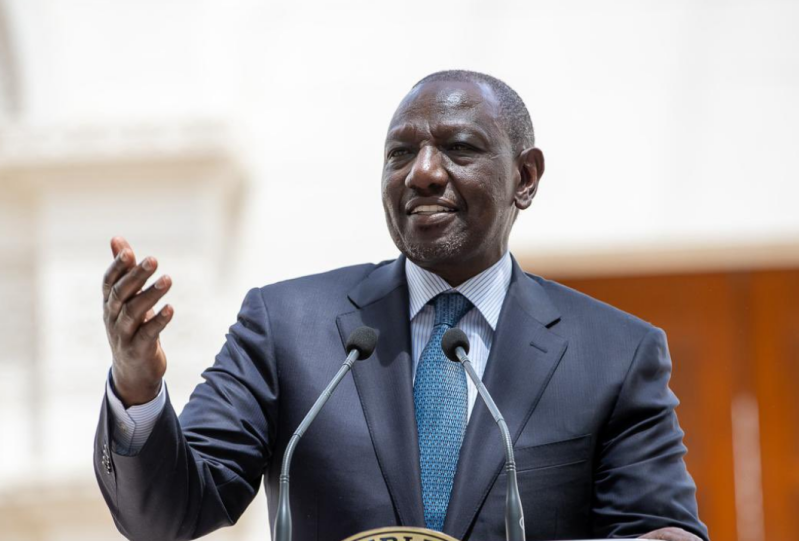
In the age of social media politics, an old photograph can suddenly acquire a new meaning when accompanied by a carefully worded caption. A picture taken at a funeral, meeting, celebration, or private encounter can be presented as evidence of a political realignment simply because two politicians happened to shake hands or embrace.
The image is real. The interpretation may not be.
That is why anyone encountering this photograph today should ask four basic questions:
When was the photograph taken?
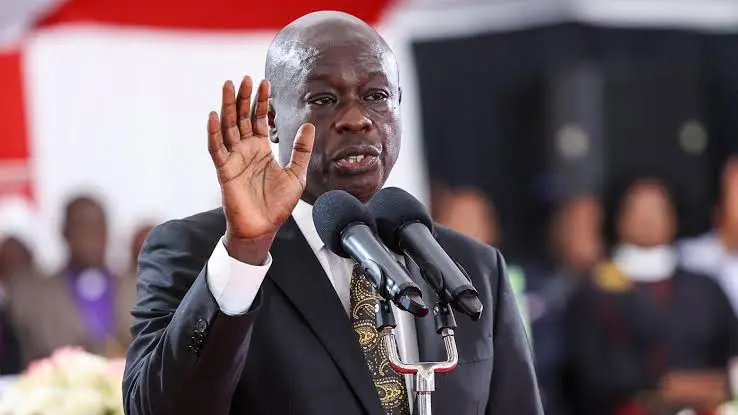
Where was it taken?
What was the occasion?
What independently verifiable evidence supports the claim being attached to it?
Without those answers, the photograph should remain just what it is: a photograph of an encounter at a particular moment in time.
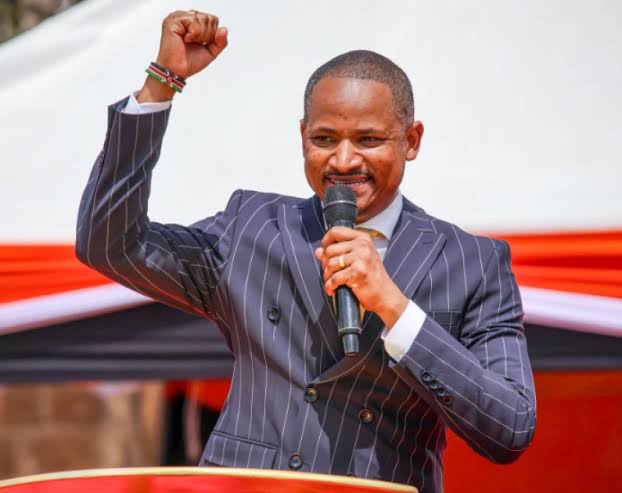
The danger is not the picture itself. The danger is turning a genuine photograph into evidence for something it was never intended to prove.
For journalists and social-media users alike, the rule should be simple:
Context before conclusion. Evidence before caption.
A photograph can tell a story. It cannot, on its own, tell the whole story.
No comments yet. Be the first to share your thoughts.