

Munich’s Oktoberfest ended on Sunday, 4 October, with an estimated 7.4 million visitors, making the 2026 edition the most attended in the festival’s history. The record brought a busy conclusion to 16 days of celebrations at the Theresienwiese grounds in the German city.
According to the organizers' preliminary report, attendance increased from approximately 6.5 million in 2025. That represents around 900,000 additional visits, underlining the continuing appeal of an event that combines food, music, amusement rides, and Bavarian traditions.
Organizers attributed the strong turnout partly to favorable late-summer weather and increased weekday attendance. A campaign encouraging people to visit outside the busiest weekend periods helped spread the crowds across the festival’s calendar.

One of the notable developments came from beverage sales. Demand for alcohol-free beer increased by 10.7 per cent, while sales of non-alcoholic drinks rose by 10 per cent, according to the closing assessment.
The figures suggest that alcohol-free options played a larger role in this year’s celebrations. However, they do not establish why visitors chose those drinks or whether individual guests consumed less alcohol overall.
Traditional beer remained a major part of the festival experience. Visitors consumed approximately 6.7 million liters, compared with around 6.5 million liters the previous year. The total illustrates the scale of demand across the event’s beer tents and gardens.
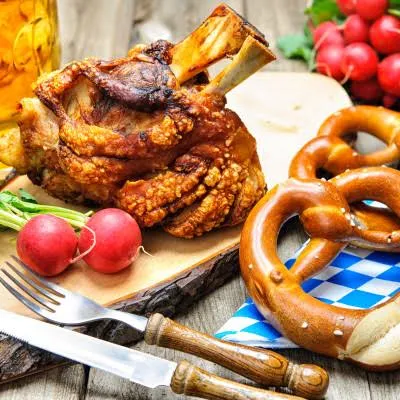
Food choices also attracted attention. Operators of smaller tents reported that visitors were increasingly willing to explore vegetarian dishes beyond familiar favorites. Meanwhile, larger tents reported food sales rising by approximately two to three percent, with roast chicken enjoying renewed popularity.

Interest in the festival’s heritage remained strong. Approximately 447,000 visitors attended the Oide Wiesn, a section designed to recreate the atmosphere of Oktoberfest from a century ago. Its nostalgic focus provides a different experience within the wider celebration.
The Oide Wiesn figure was up from approximately 360,000 in 2025. Its growth shows that the festival’s traditional attractions continued to draw substantial interest alongside its contemporary food and entertainment offerings.
Despite the record crowds, the celebrations were overshadowed by a fatal accident involving an employee of the Hangover ride. Organizers acknowledged the death in their preliminary assessment, expressing sorrow over the incident.
The attendance and consumption figures remain preliminary estimates. They offer an early picture of the event’s performance, rather than a detailed account of every visitor’s spending or behavior.

For the lifestyle sector, the most interesting contrast is the coexistence of strong traditional beer consumption and increased demand for alcohol-free alternatives. This year’s Oktoberfest accommodated both, although one festival’s results cannot establish a worldwide change in drinking habits.
No comments yet. Be the first to share your thoughts.