

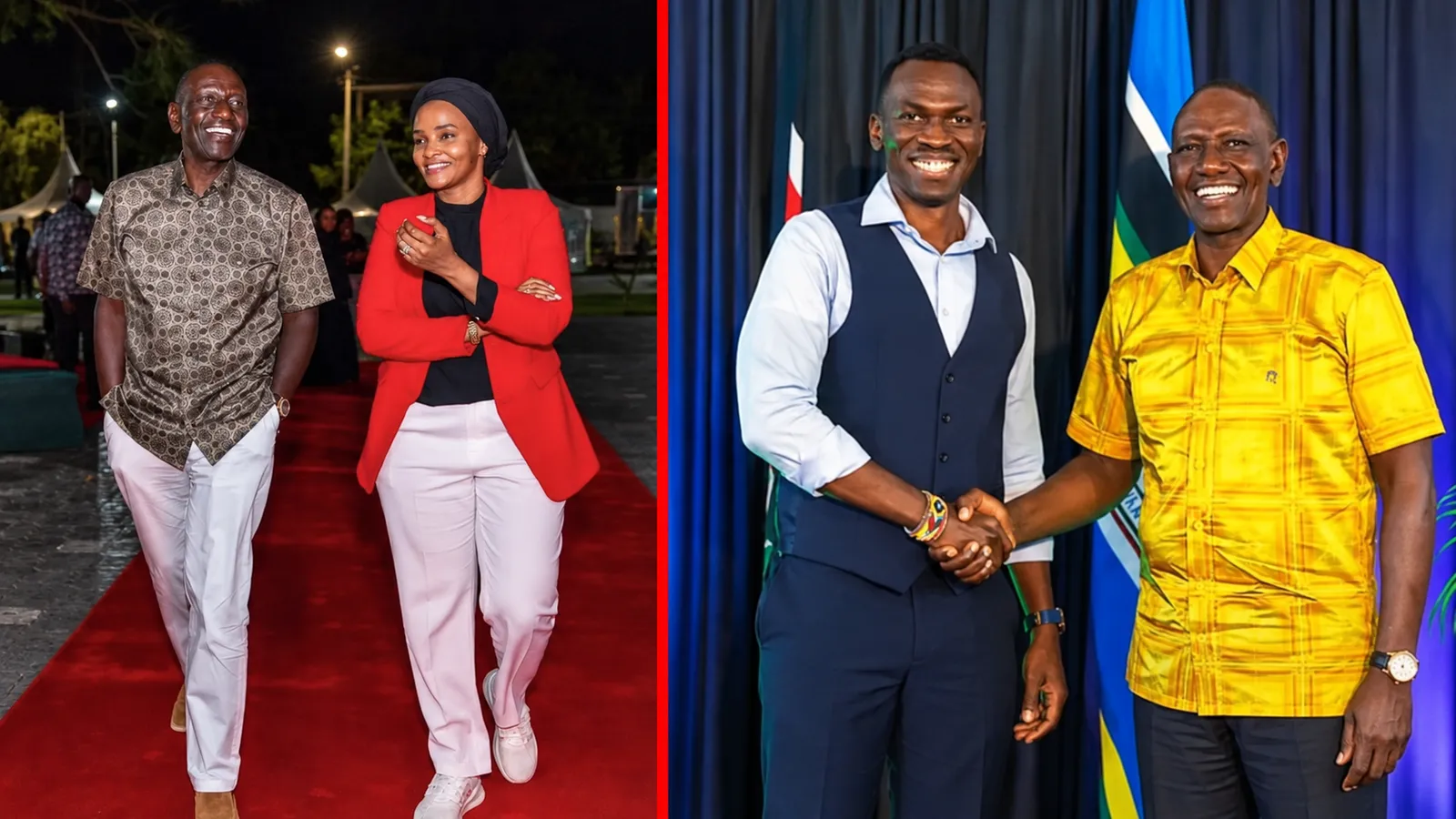
The Kenyan media landscape could be heading for another significant transition as two of Royal Media Services’ most recognisable television personalities, Trevor Ombija and Lulu Hassan, are reportedly stepping away from active newsroom roles to concentrate on political ambitions ahead of the 2027 General Election.
Ombija is associated with the Nyakach parliamentary race in Kisumu County, while Lulu Hassan has been linked to the Mvita parliamentary seat in Mombasa County. However, the status of Hassan’s political plans has previously been the subject of conflicting reports, making caution necessary when describing her candidature as confirmed.
For Ombija, however, the political transition appears considerably more advanced.
The Citizen TV journalist has publicly intensified his Nyakach political activities. In September, he used social media to reaffirm his intention to pursue the constituency’s parliamentary seat in 2027, accompanied by campaign branding identifying him with the Nyakach MP race.
A newsroom loses two familiar faces
If reports that both journalists have now excused themselves from active newsroom duties are confirmed, their absence would be felt far beyond the corridors of RMS.
Ombija has built a recognisable television presence through programmes including Day Break and Monday Report, becoming familiar to audiences through his political interviews and current-affairs coverage.
Hassan, meanwhile, has established herself as one of Kenya's best-known Kiswahili television personalities, with a public profile extending beyond conventional news presentation into entertainment and drama.
Their possible movement into politics therefore raises a broader question: what happens when journalists who spent years questioning politicians decide to seek the very seats held by the politicians they once interviewed?
The answer is partly institutional.
Journalism and elective politics demand different forms of public accountability. A journalist is expected to maintain professional independence and scrutinise competing political interests. An aspiring politician, by contrast, openly seeks political support and must persuade voters to entrust them with public office.
That is why the reported movement from the newsroom to the campaign trail is not merely a career change. It also creates an important ethical and professional boundary.
Indeed, reports earlier this year said RMS had directed journalists and presenters intending to contest elective positions in 2027 to leave their newsroom positions, with the move reportedly aimed at avoiding conflicts of interest as the political season intensified. RMS had not, in the reports available publicly, issued a detailed statement confirming every individual. affected
When the interviewer becomes the candidate
For Ombija, the transformation is particularly visible.
The journalist is no longer merely covering political contests; he is becoming part of one.
His campaign activities have already generated political headlines, including a recent controversy surrounding his claim that former Deputy President Rigathi Gachagua had attempted to have him removed from RMS following a heated interview.
RMS Editorial Director Linus Kaikai disputed Ombija's account, illustrating another reality of the transition: once a journalist becomes an active political aspirant, statements made on the campaign trail inevitably become part of political contestation themselves.
For Hassan, the situation remains less definitive.
She has previously dismissed reports linking her to the Mvita parliamentary race, including a viral image that she said was AI-generated. Yet subsequent reports have continued to associate her with the constituency.
That contradiction makes one thing clear: the public should distinguish between a reported political ambition, political activity and an officially declared candidature.
The price of leaving the screen
If both ultimately leave active journalism for politics, Kenyan television audiences will lose two familiar voices from their regular viewing routines.
Their departure would also underline an increasingly visible phenomenon in Kenyan public life: newsrooms are becoming one of the pathways through which prominent public figures enter politics.
Ombija and Hassan would not be the first media personalities to contemplate such a transition. Other RMS journalists and presenters have also been linked to parliamentary bids across the country, including Tina Ogal, Mwanahamisi Hamadi and Stephen Letoo.
But the significance of Ombija and Hassan lies in their individual public profiles.
For years, Kenyans have watched them through screens as journalists and presenters. If they now choose the ballot, viewers will encounter them in a very different role — not as observers of political power, but as individuals seeking to exercise it.
And that may be the most intriguing part of this unfolding story.
The microphone can question power. The ballot can seek it.
The coming months will reveal whether Trevor Ombija and Lulu Hassan permanently exchange the newsroom for the campaign trail — and whether the audiences that made them household names will follow them into politics.
No comments yet. Be the first to share your thoughts.