
There comes a time when a community must stop asking who is speaking for it and begin asking:
Who is actually delivering?
For Abanyala, that moment is now.
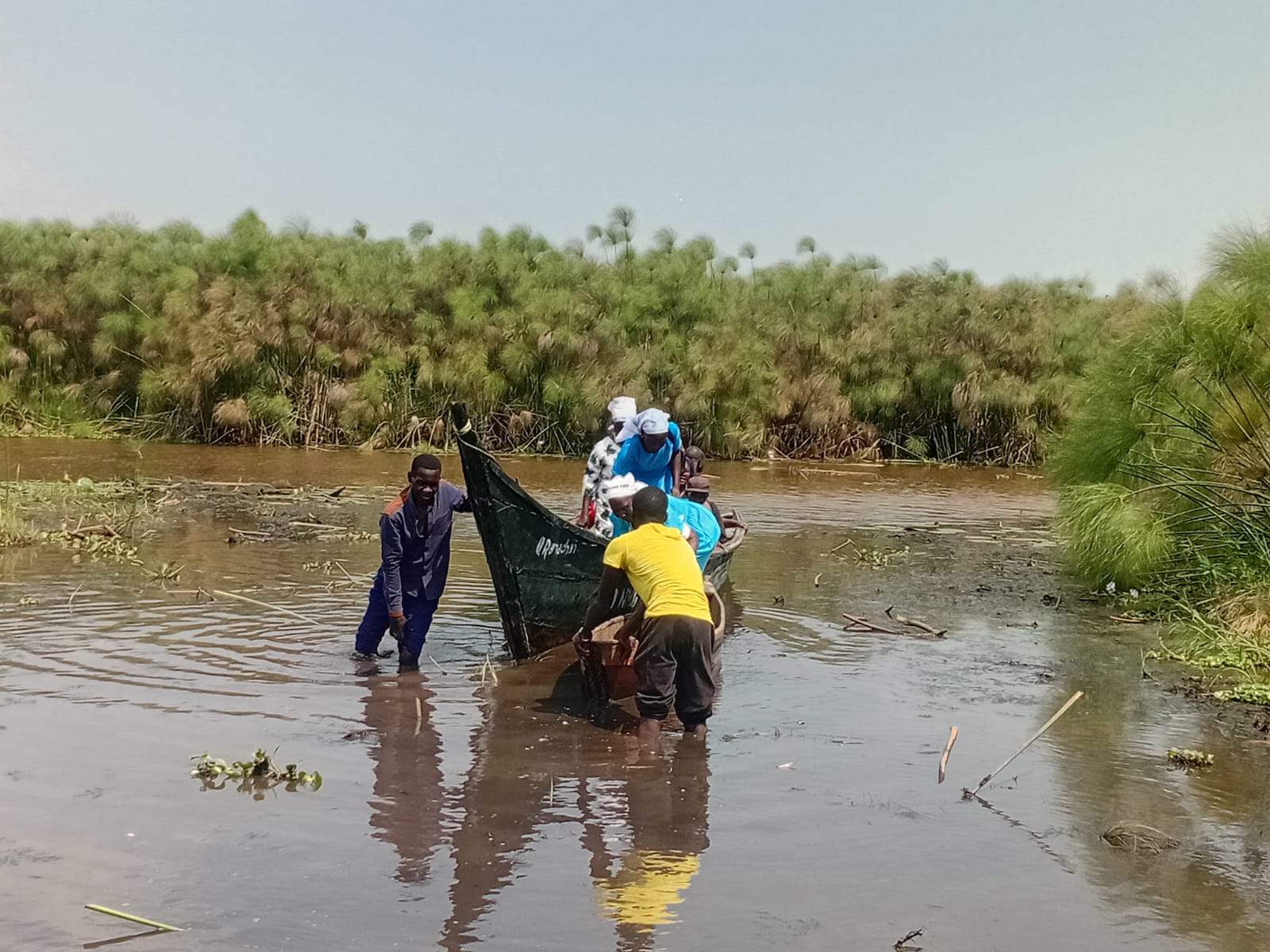
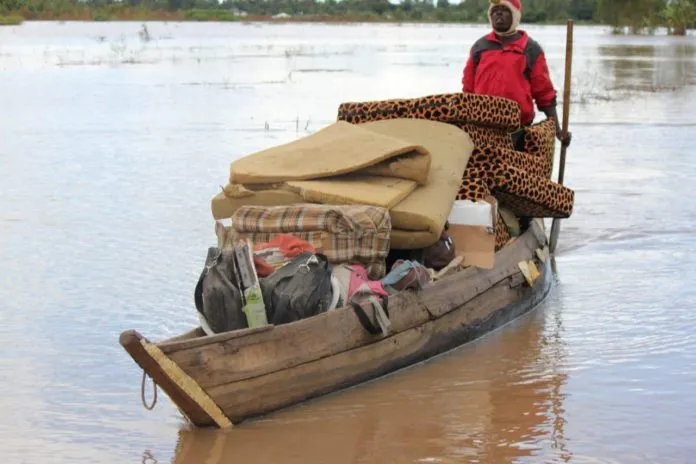
Bunyala faces an existential development challenge. Located in the lower Nzoia floodplain, where the river drains into Lake Victoria, the area is vulnerable to heavy rainfall and flooding during the March–May and October–December seasons, according to the Kenya Meteorological Department. In April 2020, the Nzoia River burst its banks, displacing thousands in Budalangi and destroying crops, homes and roads, according to the Kenya Red Cross and the National Disaster Operations Centre.
The wider development indicators are troubling. The 2019 Kenya Population and Housing Census recorded Busia County’s population at 893,681, while the 2022 Kenya Demographic and Health Survey reported that 26 percent of children under five in Busia were stunted. These figures do not prove that flooding caused every hardship, but repeated losses of crops, homes, roads and school time can have serious long-term consequences.
Residents of Iyanga, Bukhuma and Osieko have described damage to homes, farms and access roads during periods of high water. Their accounts should be verified through county disaster records, satellite imagery, land surveys and on-site reporting—not dismissed as anecdote.
As the waters rise, Abanyala are also migrating. Families are moving in search of safer land, livelihoods, education and opportunity. Publicly available census tables do not establish how many people have left particular Bunyala villages because of flooding. That gap demands a transparent household and migration survey by county authorities, researchers and journalists.
This is not merely an environmental story.
It is a political, economic and development emergency.
The question is: where is the political leadership?
For decades, Bunyala has participated enthusiastically in elections. But elections should not be the beginning and end of accountability. Leadership must be measured between elections:
Who visits remote villages and listens to residents on the frontline of flooding? Who documents their losses and advocates for drainage, flood-control infrastructure, roads, schools, health facilities, markets and livelihoods? Who develops a long-term survival strategy and presses the national government to stop treating Bunyala as an afterthought?
Auditor-General reports on Busia County have repeatedly raised concerns about financial management, procurement documentation and project implementation. These findings do not automatically prove that a particular Bunyala project was mismanaged, but they justify project-level questions: how much was budgeted, who was contracted, what was completed and whether residents received value for money.
Concerns from Iyanga, Bukhuma and Osieko must become matters of public policy and accountability.
THE POLITICS OF PATRONAGE
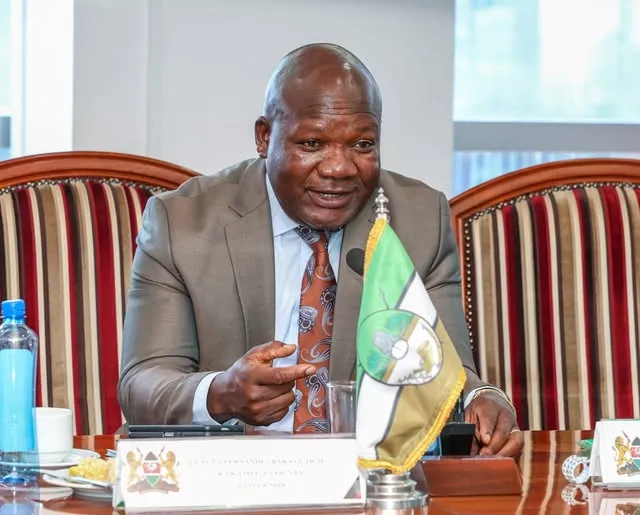
Perhaps Bunyala’s greatest danger is not only rising water but political capture—permanent attachment to personalities and patronage networks instead of measurable development outcomes.
A community cannot eat political loyalty, build roads with slogans or protect villages from floods through praise songs. More than six decades after independence, Abanyala deserve an honest assessment:
What has worked? What has failed? What must change?
If familiar political patterns have produced insufficient transformation, citizens have every right to demand a different approach.
That is not rebellion.
That is democracy.
JOURNALISM AND EVIDENCE
Journalists must move beyond reporting rallies, speeches and electoral manoeuvres. Bunyala needs development journalism: reporting that maps flood-prone communities, documents damaged roads and disappearing settlements, investigates underserved areas and tracks public projects from allocation to completion.
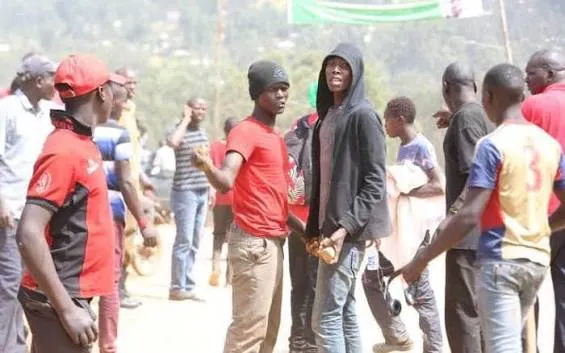
Busia’s “Jobless” Gang: Summons Are Not Arrests — And Youth Need Jobs, Not Politics Theater
This work should draw on county budgets, procurement records, National Government Constituencies Development Fund reports, Auditor-General findings, Kenya Meteorological Department warnings, National Water Harvesting and Storage Authority data, satellite imagery and residents’ testimony.
Journalists should consult engineers, environmentalists, planners, economists, agricultural experts, community leaders and ordinary residents. The standard must be clear:
Facts first. People first. Development first.
Neither political praise nor hostility should determine reporting.
LET THE EXPERTS AND PEOPLE SET THE AGENDA
Bunyala has researchers, journalists, academics, environmentalists, agriculturalists, economists, administrators and development practitioners capable of helping define its priorities.
Let us produce a development priority map; identify vulnerable settlements; measure deficits in roads, bridges, schools, health centres, water and markets against population data and county plans; and document migration through household surveys, school enrolment, voter-registration trends and interviews with local officials and receiving communities.
We must also measure flooding’s effects on agriculture, fisheries, education and household incomes. Relevant national agencies should publish disaggregated data on crop losses, fishing activity, school closures and affected households.
Those findings should be placed before elected leaders, who must answer publicly.
A NEW POLITICAL QUESTION
The question for Abanyala should no longer be:
“Who is our man?”
It should be:
“What has been delivered?”
An MP should be judged by representation, accessibility, legislative performance and development advocacy—not appearances at political functions. An MCA should be assessed by county assembly performance and tangible service, not rally speeches.
Citizens can verify these records through Hansard, parliamentary committee reports, county assembly proceedings, approved budgets, procurement notices, project completion certificates and Auditor-General reports.
Where leaders fail, citizens must say so—not out of hatred, but because they love their community.
EBUNYALA ESIKHIRE
Ebunyala esikhire must become a call to action, not another slogan.
Young people must participate in civic affairs. Professionals must contribute ideas. Journalists must investigate. Elders, women, farmers and fishermen must be heard. Political leaders must understand that public office carries a duty to account to the people.
Bunyala does not need permanent political enemies or permanent political friends.
It needs permanent development priorities.
The waters may be rising, but so should the consciousness of Abanyala. Let us document, investigate, interrogate and demand accountability. Let us communicate development without fear or favour.
When Bunyala’s history is written, the question will not only be what politicians did. It will also be:
What did we, as citizens, journalists, professionals and community leaders, do when we saw our homeland sinking?
Ebunyala esikhire!
No comments yet. Be the first to share your thoughts.