


Governor Fernandes Barasa has emerged ahead of Senator Boni Khalwale in a reported Kakamega County popularity poll, setting the stage for renewed debate over the county’s political balance and the potential influence of emerging broad-based alliances.
The reported findings place Barasa at the top of the rankings, with Khalwale occupying second position, in a political contest increasingly shaped by questions of leadership performance, party loyalties, development priorities, and the realignment of competing political factions.
For the incumbent governor, the reported lead provides a basis for assessing his political standing as leaders and interest groups reposition themselves ahead of the next general election.
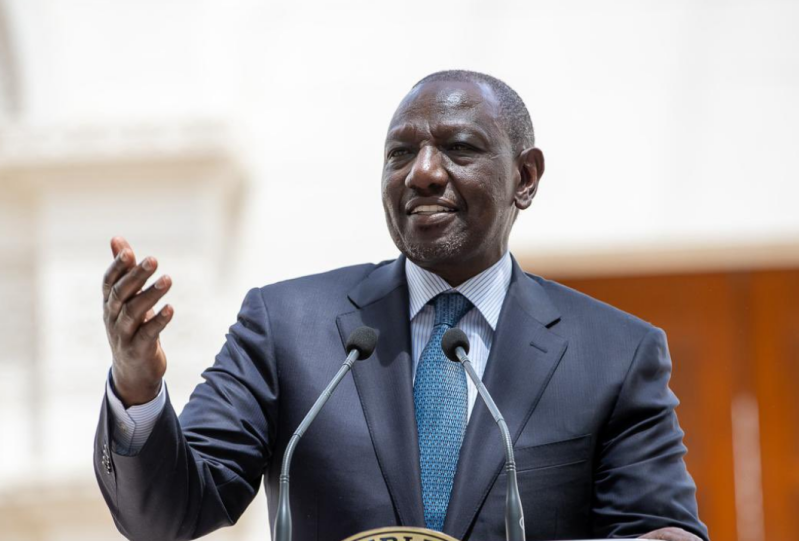
The emerging political question is whether the consolidation of broad-based factions could widen Barasa’s support beyond his established political networks and alter the balance of power in Kakamega.
Although the poll offers a snapshot of reported public sentiment, its wider significance will depend on the credibility of the survey, the strength of the alliances taking shape, and the extent to which political cooperation translates into tangible benefits for residents.
BARASA'S LEAD PUTS HIS POLITICAL STRATEGY UNDER THE SPOTLIGHT
As the incumbent, Barasa occupies a pivotal position in Kakamega’s political equation.
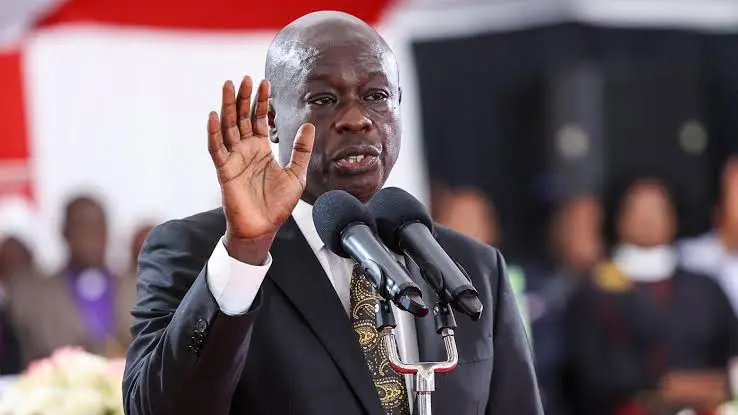
His administration’s development record, public engagement, and relationships with influential political figures are likely to remain central to assessments of his leadership.
The reported poll ranking raises a critical question: how broadly does his support extend across Kakamega’s diverse constituencies, and what role could emerging political alliances play in consolidating that support?
Broad-based cooperation could offer Barasa an opportunity to engage leaders and voters who might otherwise remain within competing political camps.
Such an arrangement could reshape political mobilization, strengthen working relationships among influential leaders, and introduce new dynamics into the county’s political competition.

But political arithmetic does not automatically translate into popular support.
The strength of any alliance will depend on the credibility of its participants, the interests they represent, and whether voters consider their cooperation meaningful.
For residents, the ultimate test will be whether political realignments deliver better healthcare, improved infrastructure, stronger agricultural productivity, employment opportunities, and more accountable management of public resources.
KHALWALE'S SECOND PLACE KEEPS THE CONTEST OPEN
Khalwale’s reported second-place ranking ensures that his political influence remains part of the conversation about Kakamega’s future leadership.
The senator has an established public profile and remains a prominent figure in the county’s political debate. His position in the reported poll provides a fresh basis for examining his support base and the strategies available to him as political alliances evolve.
However, without the actual percentages and the margin separating the two leaders, it is impossible to establish how substantial Barasa’s reported lead may be.
Nor does a popularity ranking necessarily translate into an equivalent voting advantage.

Recognition, approval of an incumbent’s performance, and a firm intention to vote for a candidate are different measures of political support.
The eventual contest will also be influenced by party nominations, coalition negotiations, campaign organization, the strength of competing candidates, and the issues voters prioritize.
For Khalwale, the emerging political environment presents questions about how he intends to consolidate his support and respond to any expansion of the governor’s political network.
For Barasa, the challenge will be sustaining public confidence while navigating the competing interests that often accompany broad-based political cooperation.
BROAD-BASED ALLIANCES: THE NEW VARIABLE IN KAKAMEGA POLITICS
Political realignments could become a defining feature of Kakamega’s evolving political landscape.
When previously competing factions begin working together, they can alter established loyalties, reshape campaign networks, and influence how political power is organized at the grassroots.
For Barasa, cooperation among influential groups could create opportunities to expand his political reach.
Yet the durability of such alliances will depend on more than public appearances, declarations of unity, or agreements among political leaders.
Competing interests can emerge over party nominations, leadership positions, the distribution of political influence, and the direction of county development priorities.
Alliances built around personalities may struggle to withstand these pressures, particularly when the interests of individual political actors diverge.
By contrast, cooperation anchored in clearly defined development priorities, public accountability, and shared policy objectives may offer a stronger foundation for sustained engagement.
The question confronting Kakamega’s political class is whether emerging alliances will become vehicles for addressing residents’ concerns or primarily instruments for consolidating political influence.
That distinction could prove important as voters assess the credibility of the competing political formations.
BEYOND THE POLITICS: WHAT DOES THE VOTER GAIN?
While political leaders assess poll rankings and negotiate alliances, residents will continue judging their leaders against everyday economic and social realities.
Healthcare delivery, access to agricultural markets, road infrastructure, youth employment, support for small businesses, and the prudent use of public funds remain important measures of county leadership.
Farmers, traders, workers, and young people will want to know how political cooperation translates into practical improvements in their lives.
For agricultural communities, the issues include production costs, access to affordable inputs, reliable markets, and better returns for their produce.
For urban and trading centers, employment, infrastructure, business opportunities, and service delivery remain central concerns.
These issues may ultimately carry greater weight than political declarations or the numerical strength of alliances.
A favorable poll result does not remove the need for scrutiny of an incumbent’s record. Equally, a second-place ranking does not settle the question of a challenger’s political future.
The significance of the reported findings will depend partly on whether they reflect satisfaction with current leadership, enthusiasm for a particular political figure, or a genuine intention to support that person in an election.
HOW MUCH SHOULD KAKAMEGA READ INTO THE POLL?
The reported rankings have generated interest, but their evidential value depends on the quality and transparency of the underlying survey.
A credible assessment requires the identity of the pollster, the date of fieldwork, the sample size, the geographical distribution of respondents, the sampling method, and the margin of error.
The exact question posed to respondents is equally important.
A survey asking residents to identify the most popular politician may produce different results from one asking whom they would vote for if an election were held today.
Without these details, the reported positions should be treated as an indication of political sentiment rather than a definitive measure of electoral strength.
The poll also does not, by itself, establish that Barasa’s popularity is rising. Demonstrating an increase would require comparable surveys conducted at different times using sufficiently consistent methodologies.
Such evidence would help determine whether the governor is consolidating his support, maintaining an existing advantage, or experiencing a change in public sentiment.
THE POLITICAL BATTLE AHEAD
Barasa’s reported lead over Khalwale provides a fresh talking point in Kakamega’s political debate, while the prospect of broad-based realignments introduces another variable into the county’s unfolding political calculations.
The central question is whether the reported rankings will be reinforced by stronger political organization, wider public support, and demonstrable progress on development priorities.
For Barasa, sustaining public confidence will require more than favorable rankings and political alliances. For Khalwale, the reported second-place position leaves room for continued engagement with voters and further political mobilization.
Ultimately, Kakamega’s political direction will be shaped by the interaction between leadership performance, party dynamics, competing political interests, and the choices residents make at the ballot.
For now, Barasa leads the reported popularity rankings, Khalwale follows, and the potential consolidation of broad-based factions adds a new dimension to Kakamega’s political equation. Whether that alignment will endure remains a question for future evidence and, ultimately, the voters.
No comments yet. Be the first to share your thoughts.