
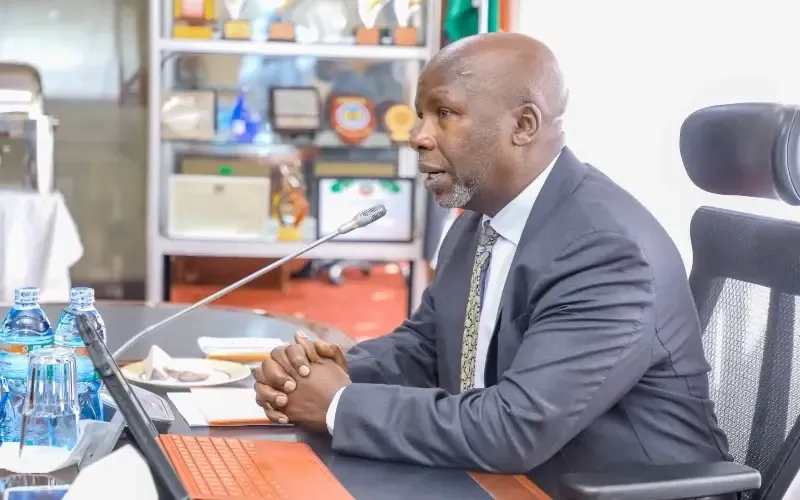
Public Service Commission (PSC) chairman Anthony Muchiri delivered a stinging verdict on some holders of doctoral degrees.
“We, unfortunately, have a lot of PhD holders in Kenya with empty heads,” Muchiri declared, igniting a debate that cuts to the heart of university education, public service recruitment, and the credibility of academic qualifications.
His words were brutal. Their implications were even more uncomfortable.
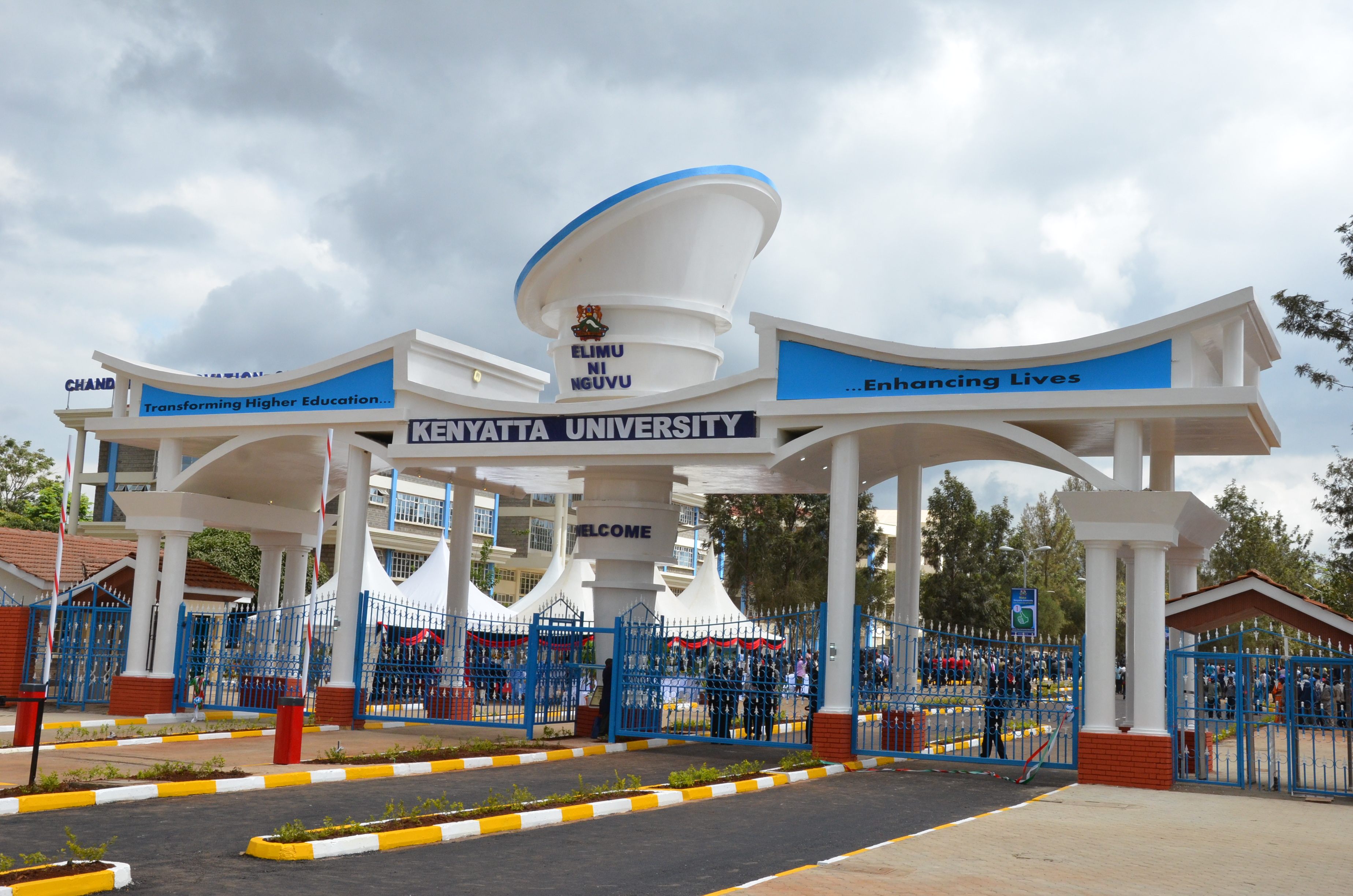
For years, the title of doctor has carried enormous prestige in Kenya, opening doors to university lecture halls, senior government appointments, research institutions, and positions of influence.
But Muchiri's remarks have raised a troubling question: What happens when the impressive credentials on a curriculum vitae fail to translate into demonstrable knowledge when the holder is put to the test?
The outgoing PSC chairman made the observation while reflecting on his experience interviewing candidates for public service positions. He said he had encountered individuals whose academic documents appeared authentic but whose responses raised questions about their grasp of the subjects they had studied.
His assessment is not proof that Kenya's doctoral education system is failing. Nor does it establish how widespread the alleged problem might be.
But it has opened a debate that universities, education regulators, and employers cannot afford to ignore.
WHEN A PhD MEETS THE REALITY TEST
A doctorate is supposed to represent the highest level of academic training, built on independent research, critical thinking, methodological rigor, and the ability to contribute original knowledge.
It is not merely a certificate to decorate a curriculum vitae or a title to impress an interview panel.

A genuine doctoral scholar should ordinarily be able to explain the problem investigated, defend the research methods used, interpret the findings, and acknowledge the limitations of the study.
When those abilities are missing, questions arise about whether the qualification reflects the depth of knowledge expected.
Yet an interview failure alone does not prove that a doctorate is fraudulent or worthless. Anxiety, poorly framed questions, and communication difficulties can affect performance.
The real issue is whether universities consistently produce graduates capable of defending their scholarship—and whether employers properly assess the knowledge and competence those qualifications are supposed to represent.

ARE UNIVERSITIES PRODUCING SCHOLARS OR CERTIFICATE COLLECTORS?
Kenya's higher education sector has expanded, creating opportunities for professionals to pursue postgraduate studies and universities to train more researchers.
But expansion makes quality assurance even more critical.
Who supervises doctoral candidates? How rigorous are thesis examinations? Are universities adequately enforcing research standards and academic integrity? And what safeguards ensure that a doctoral award represents substantial independent scholarship?
These are questions that require evidence, not blanket accusations.
The Commission for University Education (CUE), universities, and other relevant institutions have an important role in maintaining credible standards and addressing substantiated concerns.
The objective should not be to discredit every Kenyan PhD holder. It should be to protect the value of genuine academic achievement and investigate weaknesses wherever they are established.
THE PUBLIC SERVICE CONNECTION

Muchiri's remarks carry particular weight because they emerged from the world of public service recruitment.
Senior government officers are entrusted with public resources, policy decisions, and responsibilities affecting millions of citizens.
A doctorate may be relevant to a specialized appointment, but it cannot automatically guarantee leadership, sound judgment, integrity, or practical competence.
Recruitment panels must therefore look beyond academic titles.
Can the candidate apply knowledge to real problems? Can they interpret evidence, explain complex issues, and make defensible decisions? Do they possess the practical skills required for the position?
These questions matter more than the letters attached to a candidate's name.
A doctorate should open the door to scrutiny, not exempt its holder from it.
MUCHIRI'S CHALLENGE: WHERE IS THE EVIDENCE?
The danger is that the controversy could dissolve into an exchange of insults between critics of universities and scholars who feel unfairly attacked.
That would miss the point.
If doctoral standards are deteriorating, the claim should be tested through research quality assessments, program reviews, and documented cases of academic misconduct.
If recruitment panels are encountering candidates who cannot demonstrate the expertise claimed in their applications, employers should examine their assessment procedures and determine whether the problem lies in academic preparation, job requirements, or the recruitment process itself.
Three issues must remain distinct: the authenticity of a degree, the academic quality of the program that awarded it, and the competence of the individual who holds it.
One does not automatically establish the others.
Kenya needs rigorous universities, credible qualifications, and public servants who can translate knowledge into results. It also needs evidence before sweeping judgements are made about entire categories of graduates.
THE VERDICT IS STILL OUT.
Muchiri has ignited an uncomfortable debate about the meaning of academic achievement in Kenya.
But the country must resist the temptation to confuse a provocative statement with a proven national diagnosis.
The real test is whether universities can demonstrate that their doctoral graduates meet the standards their qualifications represent, whether regulators can identify and correct weaknesses, and whether employers can distinguish impressive credentials from demonstrated competence.
A PhD should signify the ability to interrogate evidence, defend ideas, and contribute original knowledge. It is not an automatic certificate of wisdom or professional excellence.
The question is no longer simply who holds a doctorate. It is what that doctorate demonstrates—and whether the institutions awarding it can defend its value.
Muchiri has fired the warning shot. Now Kenya's universities, regulators, and employers must answer the questions his remarks have raised.
No comments yet. Be the first to share your thoughts.