

BUSIA COUNTY — For a family struggling to make ends meet, development is not measured by political speeches or the number of projects announced at public gatherings. It is measured by whether healthcare is accessible, roads are passable, livelihoods are improving, and public services are reaching the people who need them most.
It is against this everyday reality that Catherine Omanyo has weighed in on Busia County’s development trajectory, praising Governor Dr. Paul Nyongesa Otuoma’s leadership and arguing that the county has made progress since he assumed office in 2022.
Omanyo believes Busia’s development agenda must continue to prioritize the welfare of ordinary residents, with infrastructure, public services, and economic opportunities working together to improve living standards.

Her remarks come amid the continuing public debate over the county government's development record and whether its priorities are translating into tangible improvements in people's lives.
DEVELOPMENT MUST REACH THE PEOPLE
For Omanyo, development is more than the construction of roads, buildings, or other visible infrastructure. Its true value lies in the difference it makes to households, farmers, traders, young people, and vulnerable members of society.
A completed project may provide evidence of public investment, but its wider significance depends on whether it addresses a genuine community need and delivers lasting benefits.
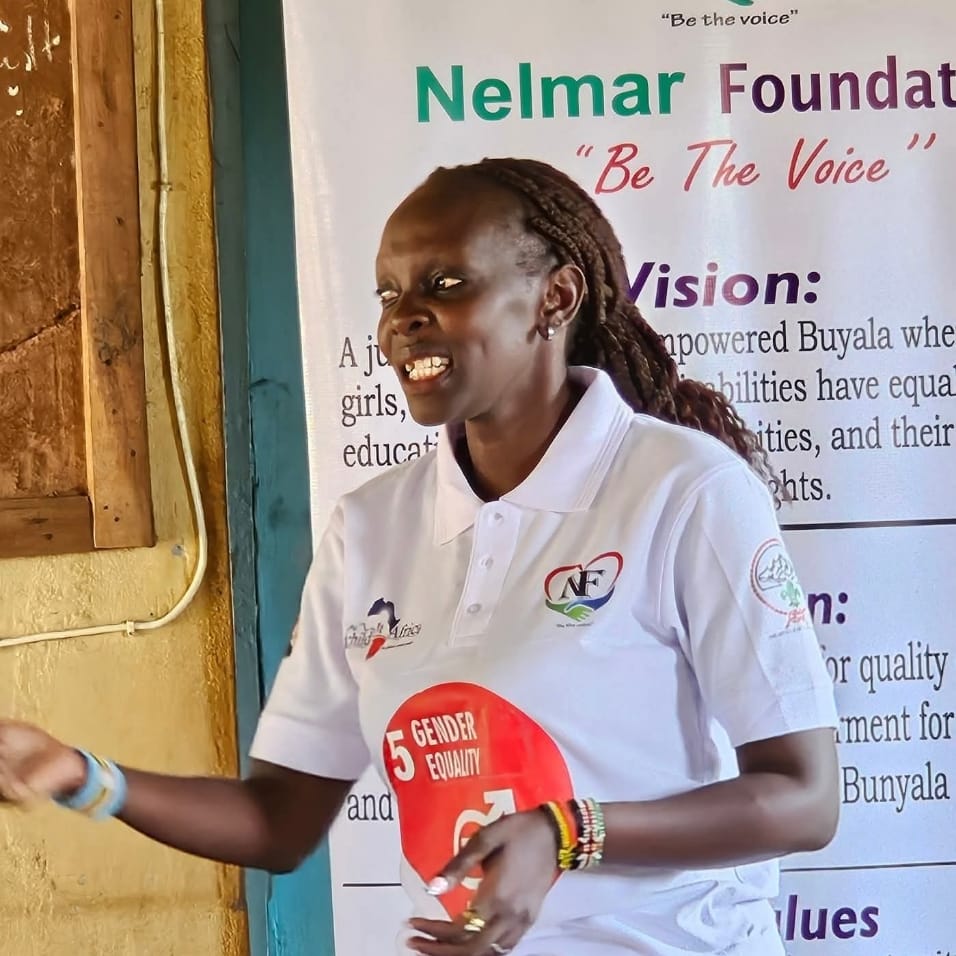
This distinction is particularly important in a county where residents look to devolved government to improve access to essential services, expand economic opportunities, and create conditions for sustainable livelihoods.
Omanyo maintains that Busia has registered development gains under Otuoma's administration and has urged residents to work collectively towards sustaining the county's development agenda.
Her position underscores the argument that development requires cooperation between county leadership, citizens, and other stakeholders.
Yet cooperation should not be confused with silence, and support for development should not mean abandoning public scrutiny.
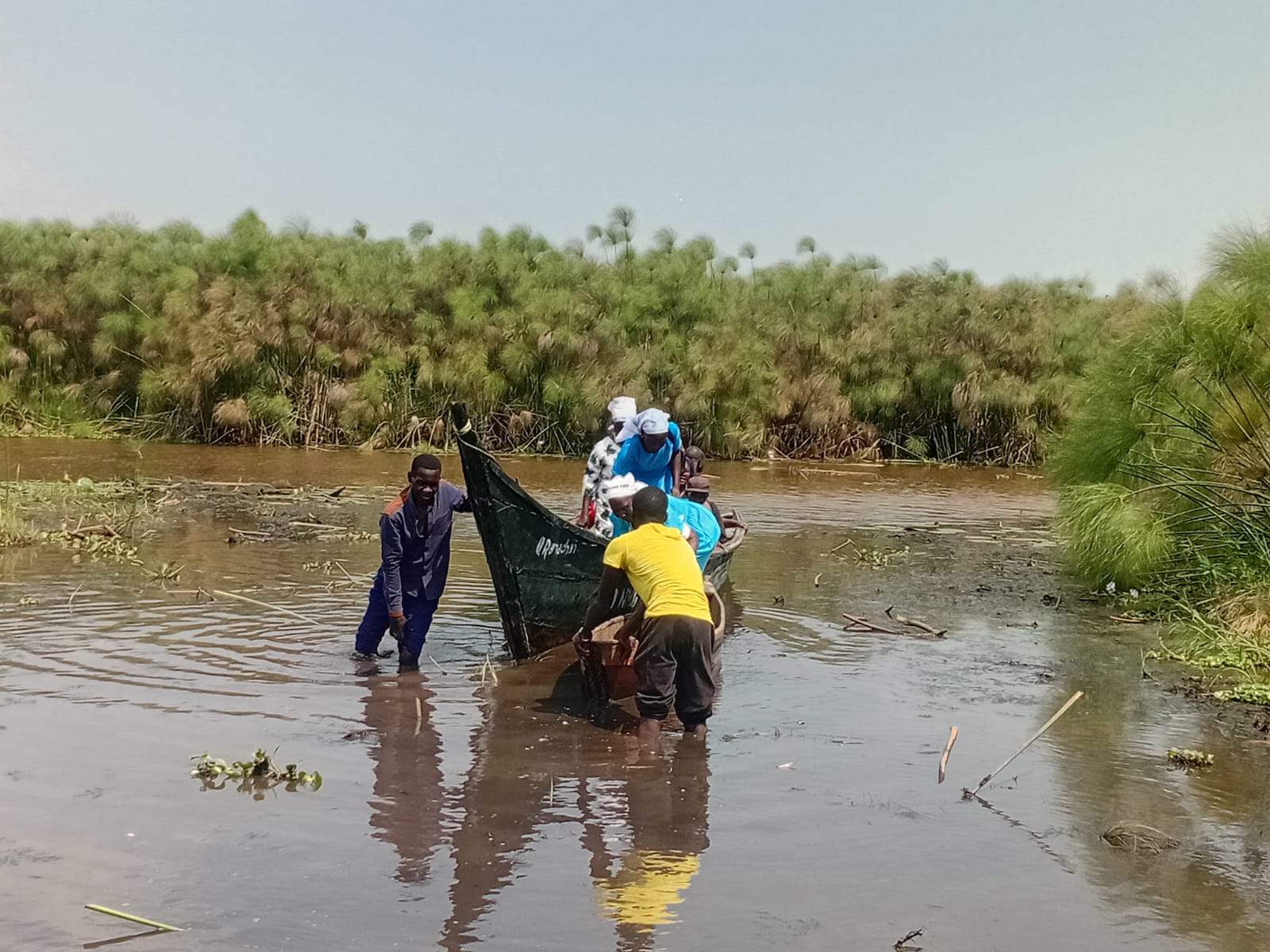
ACCOUNTABILITY IS THE TRUE TEST OF DEVELOPMENT.
While calling for unity, Omanyo has also emphasized transparency and accountability, stressing the need to assess projects against their stated objectives, implementation timelines, and expected outcomes.
That message raises a fundamental question for Busia: How much of the county's development spending can residents see, verify, and experience in their daily lives?
The answer cannot rest on political declarations alone. It requires accessible public records, clear project information, credible expenditure reports, and evidence that completed investments are delivering the intended services.
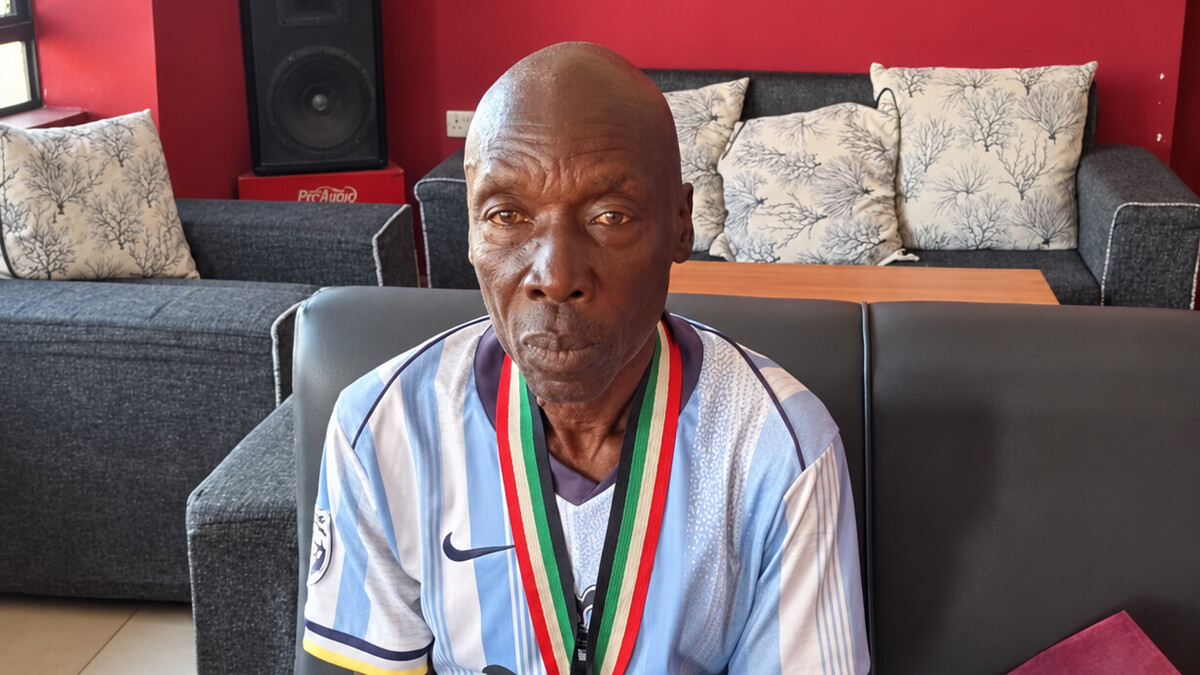
Residents have a legitimate interest in knowing which projects have been completed, which remain unfinished, how public funds have been spent, and what benefits communities are receiving.
Equally important is ensuring that development is inclusive, reaching communities across the county rather than being judged solely by a handful of prominent projects.
These are not questions intended to undermine development efforts. Rather, they are essential to strengthening public confidence and ensuring that devolution delivers on its promise.
UNITY WITHOUT COMPLICITY
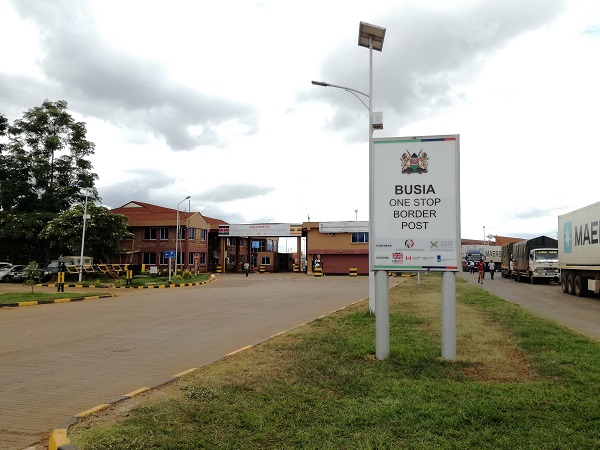
Omanyo's appeal for residents to support Busia's development agenda touches on the delicate relationship between political cooperation and public accountability.
A county cannot achieve its full development potential when citizens and institutions refuse to work together. But neither can sustainable progress flourish where public resources are shielded from scrutiny or where criticism is automatically interpreted as hostility.
Constructive engagement requires both sides to play their part.
The county government must communicate its priorities, demonstrate results, and account for public expenditure. Residents, civil society organizations, community leaders, and other stakeholders must participate in development planning, monitor implementation, and raise concerns through appropriate channels.

Such engagement can help identify neglected priorities, expose implementation gaps, and ensure that projects respond to actual community needs.
For Omanyo, continued cooperation is essential to sustaining Busia's development efforts. The challenge is to ensure that unity strengthens accountability rather than replacing it.
THE PEOPLE MUST FEEL THE DIFFERENCE.
Since Otuoma took office in 2022, expectations for improved services and economic opportunities have remained central to discussions about Busia's future.
The administration's development record, however, must ultimately be assessed through evidence of implementation and the experiences of residents.
Are essential services becoming more accessible? Are public investments improving local livelihoods? Are projects being completed within their planned timelines? Are residents receiving sufficient information to understand how county resources are being used?
These questions provide a practical framework for evaluating progress without reducing development to political praise or condemnation.
They also place responsibility on the county government to make its achievements verifiable and its shortcomings open to correction.
Where progress has been made, reliable evidence should help establish its scale and impact. Where gaps remain, honest reporting and public participation should help identify the changes required.
A DEVELOPMENT AGENDA THAT MUST DELIVER
Omanyo's remarks offer a reminder that Busia's development conversation should focus on both the progress being claimed and the evidence needed to sustain public confidence.
Her praise of Otuoma's leadership presents a positive assessment of the county's trajectory. The broader task is to establish how that progress is reflected in completed projects, improved services, stronger livelihoods, and the responsible use of public funds.
Ultimately, development is not merely about what leaders announce or what supporters celebrate. It is about what residents can see, access, and experience.
For a farmer, it may mean better access to markets. For a parent, it may mean more accessible public services. For a young person, it may mean greater economic opportunities. For a struggling household, it may mean a measurable improvement in living conditions.
These are the everyday realities against which the county's development agenda will be judged.
As Busia moves forward, the most important measure of progress will not be the strength of political endorsements but the quality of evidence showing that public resources are improving people's lives.
The ultimate test of devolution is simple: when development is announced, can ordinary residents point to the difference it has made in their homes, communities, and livelihoods?
No comments yet. Be the first to share your thoughts.